CHRISTIAN CHURCHES TOGETHER
Catholic, Orthodox, Evangelical, Pentecostal, Historic Black, and Mainline Protestant Churches loving across difference, learning across traditions, and leading together in faithful witness
The Urgency of CCT
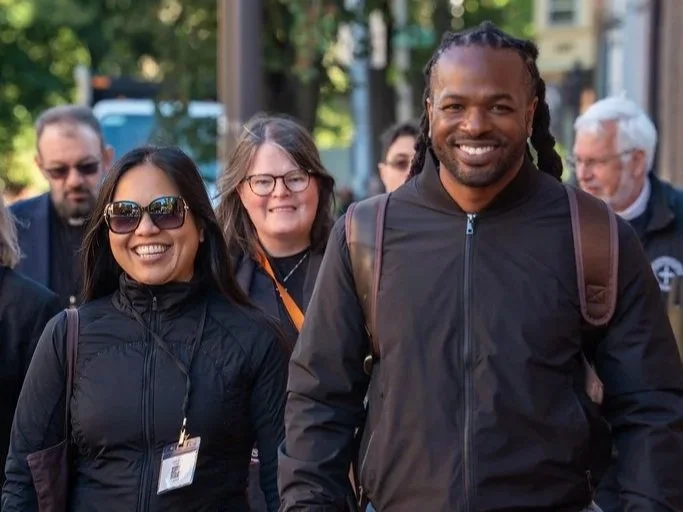
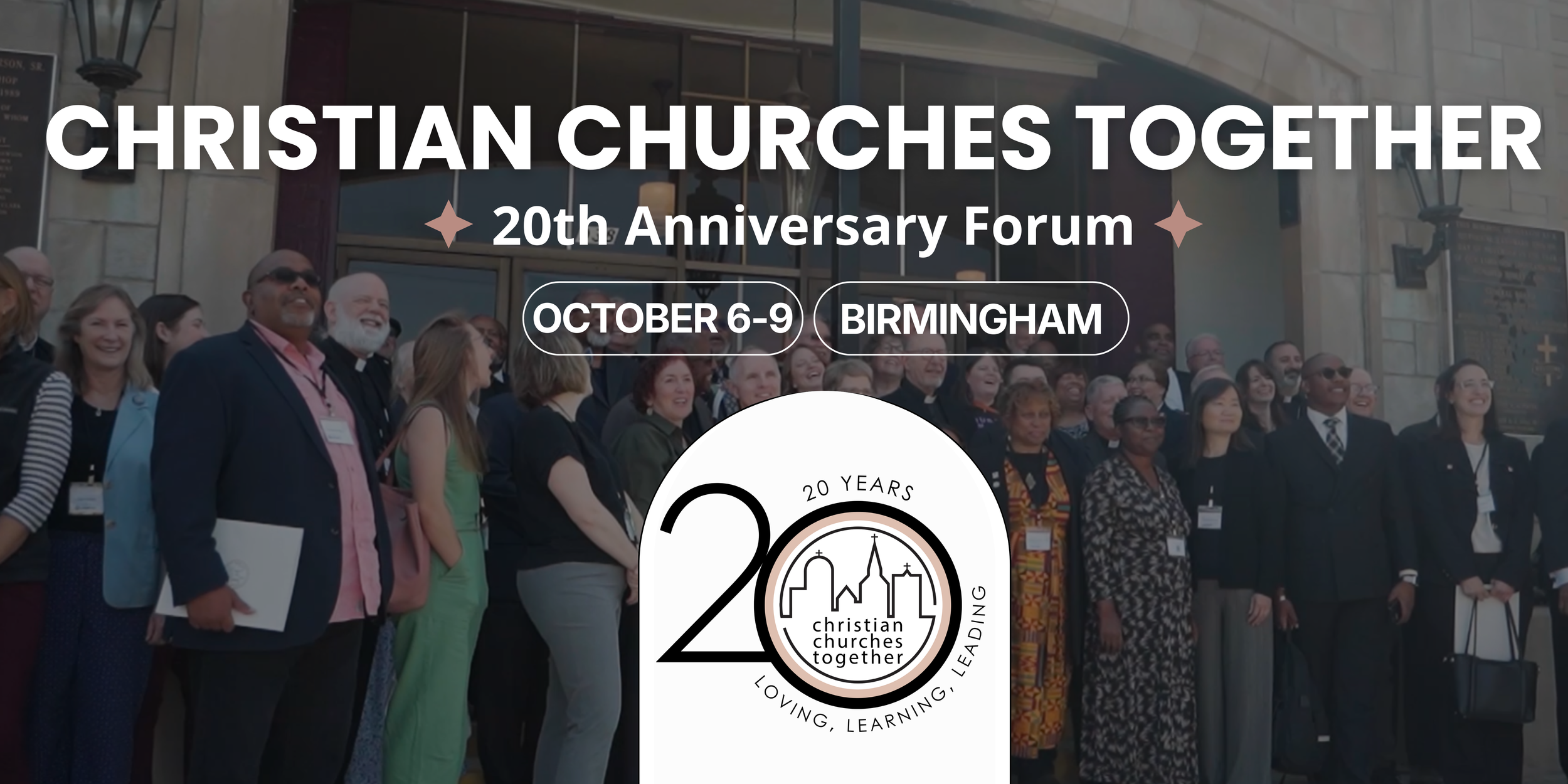
In this age of polarization, the world longs for a united witness of those who profess Jesus as Lord. As the broadest fellowship of churches in the U.S., representing over 80 million American Christians, Christian Churches Together (CCT) presents such a witness.
The Charisms (Gifts) of CCT:
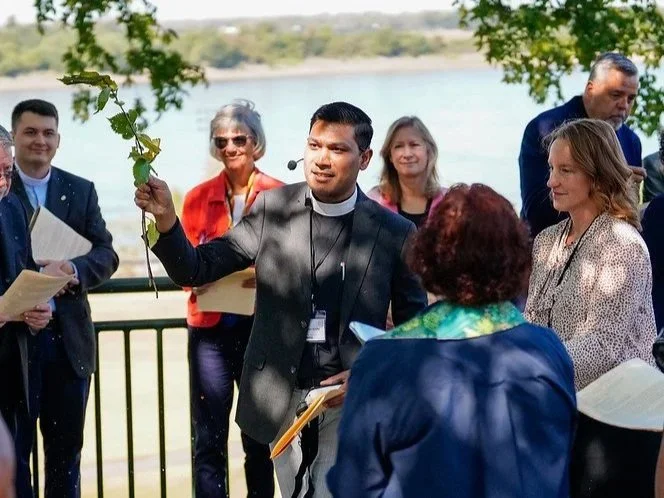
Loving, Learning, and Leading
Christian Churches Together (CCT) brings together the diversity of Christian churches and organizations in the U.S. to foster loving relationships, learning across traditions, and leading together in witness to the reconciling power of Jesus.
The Way of CCT
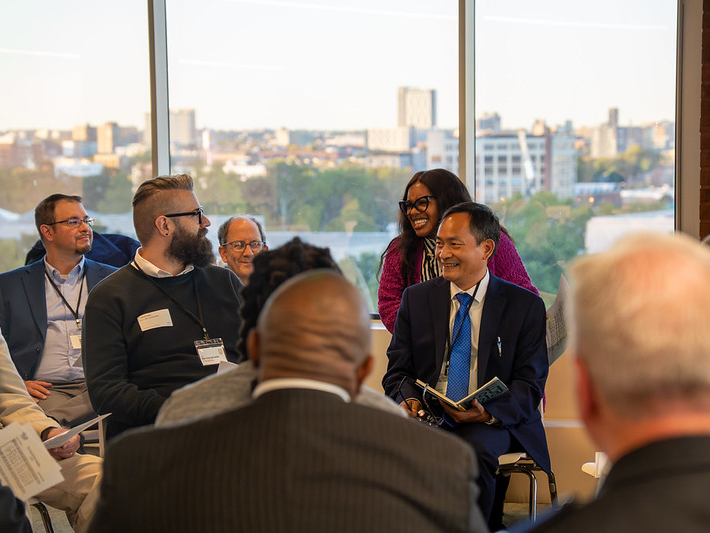
Three practices shape our common life: Faith-Sharing, Receptive Ecumenism, and Contextual Discernment. Participants share their lived faith, receive the gifts of other traditions, and engage local contexts in faithful witness.
NEWS AND RESOURCES
Preparing Our Hearts
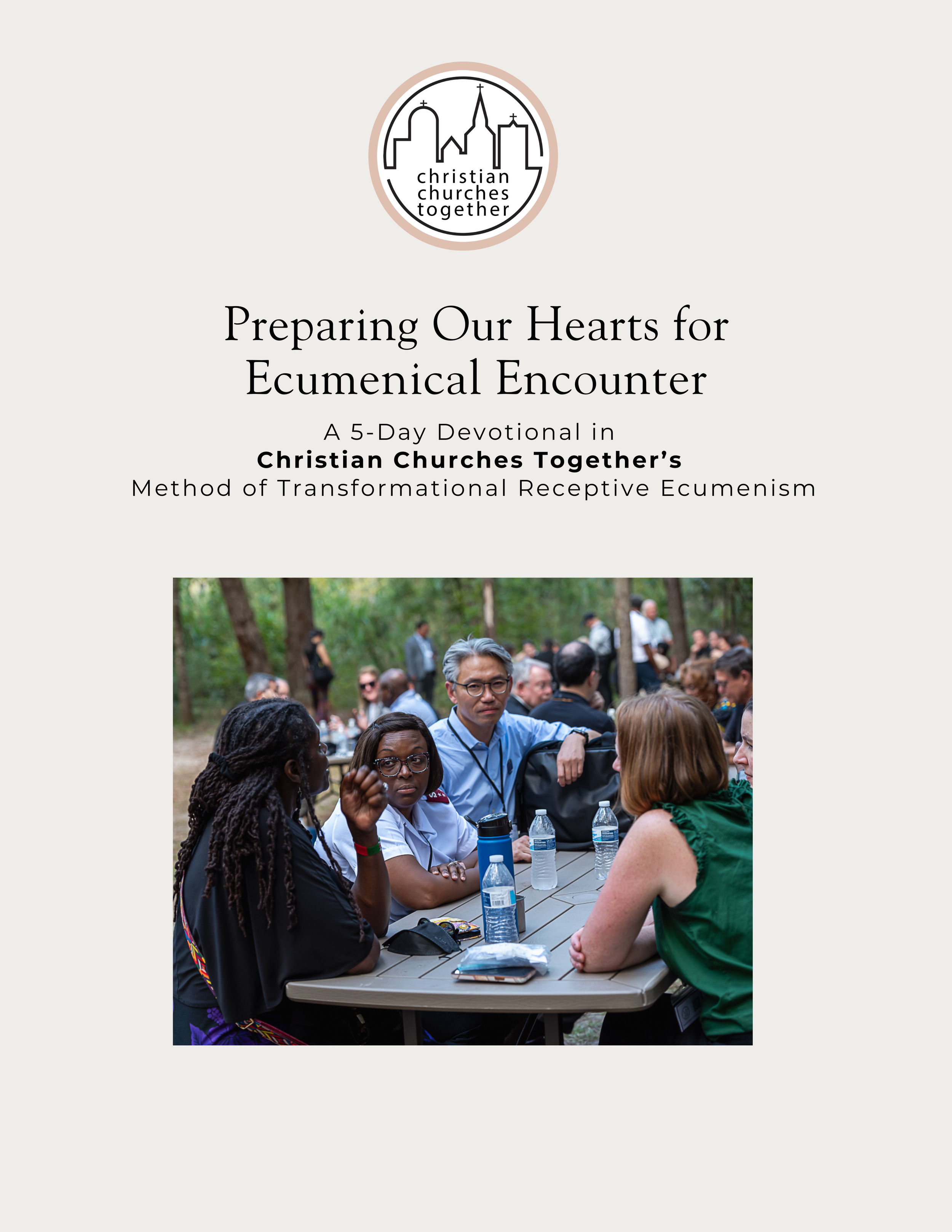
At Christian Churches Together, every conversation is shaped by the practice of Receptive Ecumenism—a way of listening deeply and learning from one another across traditions. To help prepare participants for the annual Forum, CCT created a 5-day devotional guide with Scripture, reflection, and prayer prompts.

Season of Creation 2026:
Living Water
The 2026 theme, Living Water, draws on Ezekiel 47:1–12: a vision of life-giving water flowing from God’s presence, restoring what is dry and sustaining new life. In a time of ecological strain, this is both promise and call.
For Christian Churches Together, this season invites us each year to deepen our stewardship of the earth and lead in faithful witness to the reconciling love of Jesus, extended to all of creation.
Join CCT churches in observing
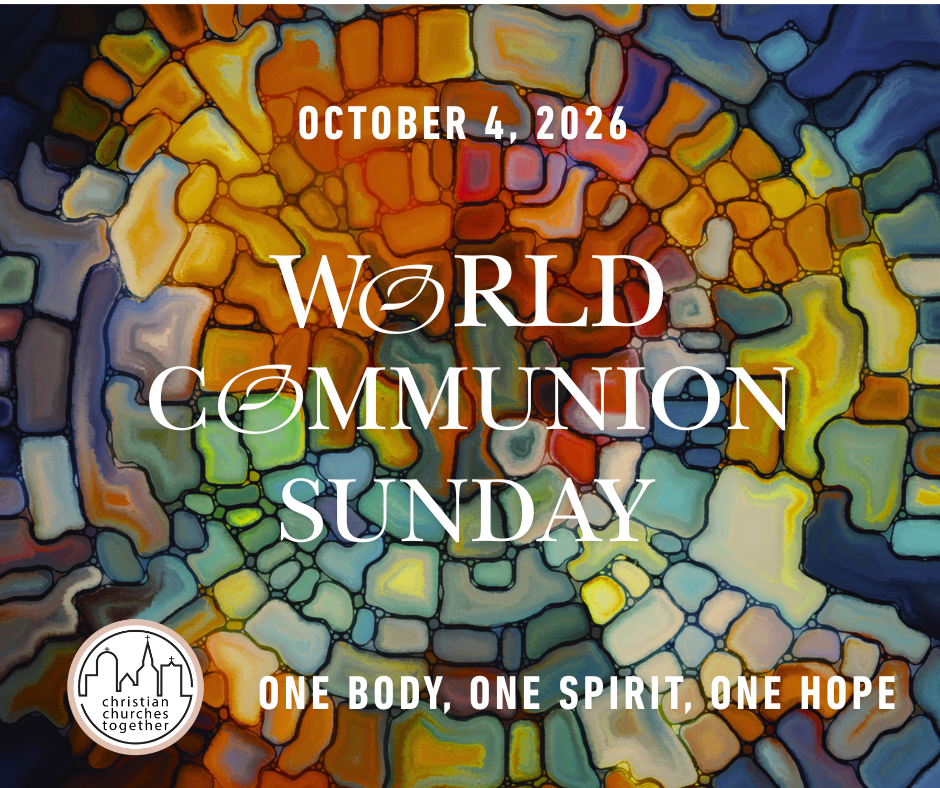
World Communion Sunday
on October 4, 2026
WORSHIP RESOURCES LINKED BELOW.

#ICYMI
In case you missed it… 40 faith leaders from over a dozen different communions gathered online for a workshop, The Church that Listens: Receptive Ecumenism in a Divided Church and Fragmented World, to learn more about Receptive Ecumenism, including practical tools for cultivating receptivity and facilitating transformational dialogues in their own communities.